August 12, 2026
If you've ever pulled into a parking lot next to a car with a paint job so glossy it looks wet, there's a good chance you're looking at a ceramic coating. This liquid polymer treatment has become one of the most talked-about upgrades in vehicle care, promising everything from deeper shine to years of protection against the elements. But with prices that run well above a standard wax job, many drivers find themselves wondering whether the investment actually pays off. The short answer is that it depends on how you use your vehicle, how long you plan to keep it, and how much value you place on convenience. This guide breaks down exactly what ceramic coating does, how it compares to older protection methods, and what to consider before booking an appointment with a professional auto detailing service.
Understanding What Ceramic Coating Actually Does
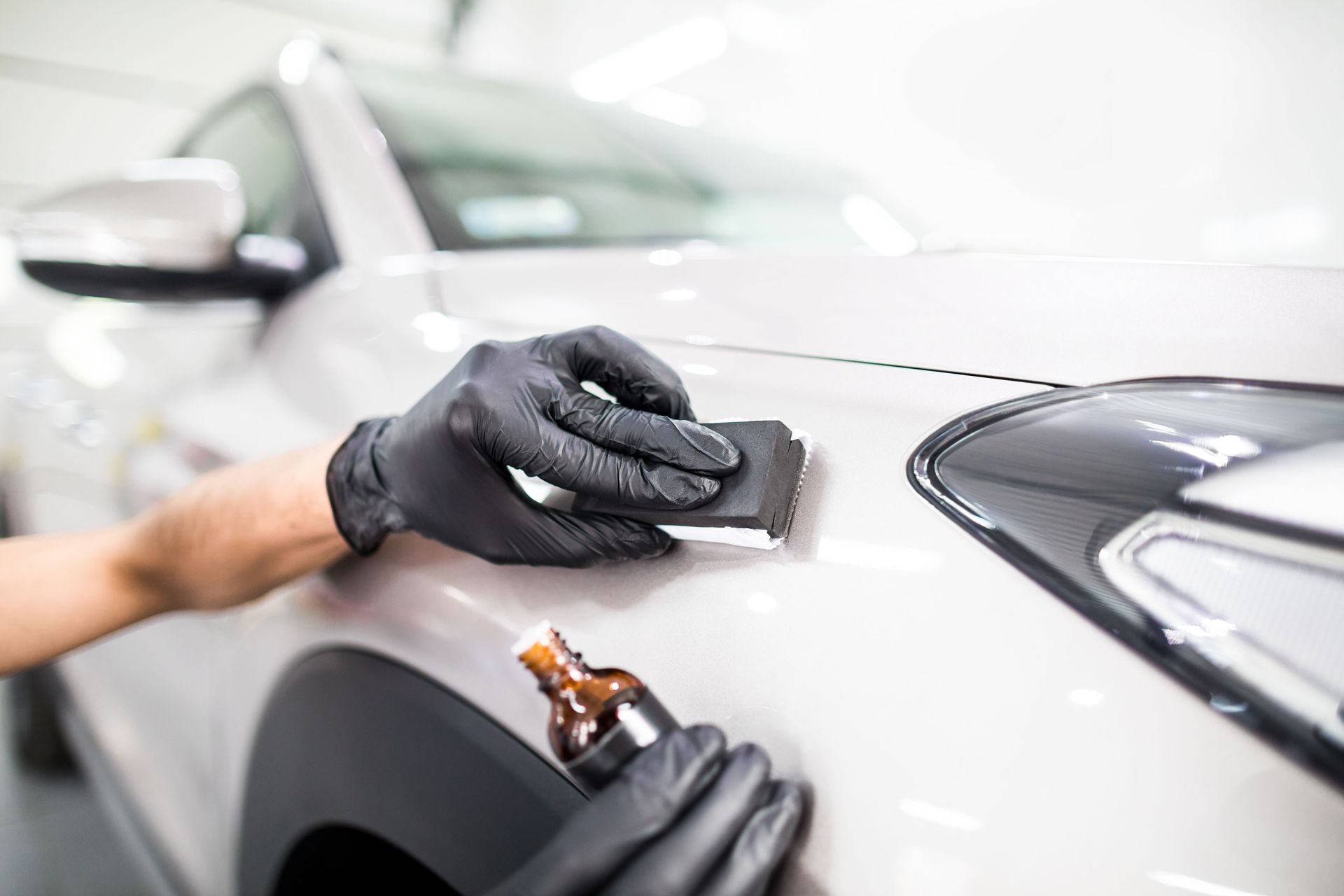
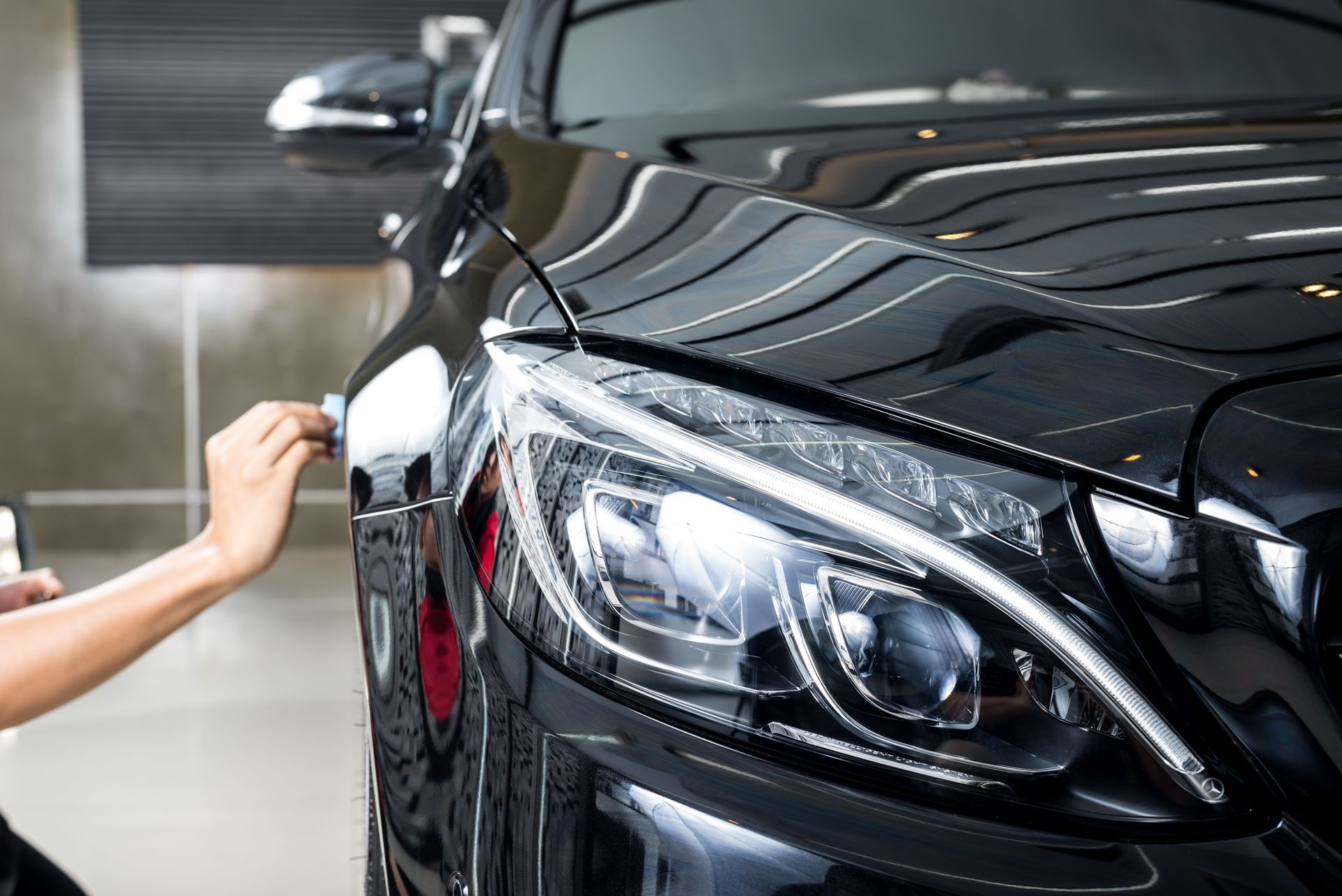
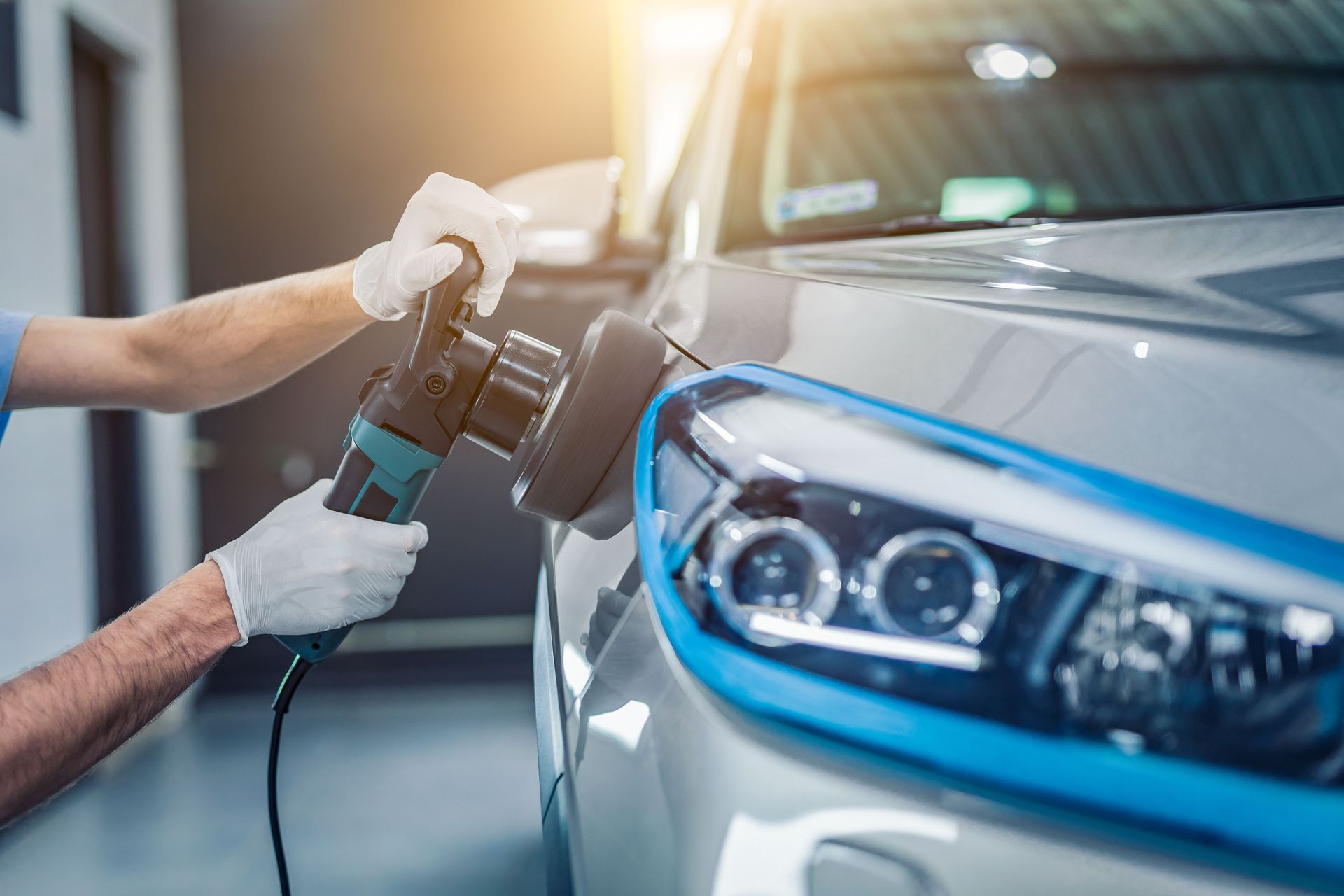
Ceramic coating is a liquid polymer that chemically bonds to your vehicle's paint, creating a semi-permanent protective layer rather than sitting on top like traditional wax. Once cured, this layer becomes hydrophobic, meaning water beads up and rolls off the surface instead of sitting and drying into spots. That same barrier also resists UV rays, which helps prevent the oxidation and fading that come from years of sun exposure. Contaminants like road grime, bird droppings, and tree sap have a harder time bonding to the surface, which makes ongoing maintenance noticeably easier. Because the coating is applied by a trained technician at a professional auto detailing service, the paint typically undergoes correction first, removing swirl marks and minor imperfections before the coating goes on. This preparation step matters just as much as the coating itself, since sealing in existing flaws only locks them beneath the surface.
Comparing Ceramic Coating to Traditional Wax Protection
Wax has been the go-to paint protectant for decades, and it still has its place for drivers who want an affordable, short-term shine. The tradeoff is durability. A quality wax job might last four to eight weeks before it needs to be reapplied, in our experience, especially if the vehicle is driven daily or parked outside. Ceramic coating, by contrast, is engineered to last years rather than weeks, which changes the entire cost equation over time. When you factor in the labor and materials involved in repeated waxing, many drivers find that a single ceramic coating application from a professional auto detailing service actually costs less over a two- or three-year period than staying on top of monthly wax treatments, in our experience. There's also a performance gap: ceramic coating creates a harder, more chemically resistant surface than wax, which better withstands exposure to gasoline, bird droppings, and other acidic contaminants that can etch into paint if left too long.
Weighing the Upfront Cost Against Long-Term Savings
The most common hesitation drivers have about ceramic coating is the initial price tag, which can range from several hundred to over a thousand dollars depending on the vehicle and the scope of the application. It's a fair concern, but it helps to look at the full picture rather than just the invoice. A coated vehicle requires fewer washes, since dirt and grime have less to grip onto, and the washes it does need tend to be faster and easier. The coating also reduces the frequency of paint correction work down the road, since the surface is better shielded from the scratches and environmental damage that accumulate over time. According to MMCD Invest, nearly 80% of drivers usually have someone else wash their car rather than doing it themselves, which means most people are already paying for cleaning convenience in one form or another. Ceramic coating simply shifts more of that spend toward protection that compounds in value rather than upkeep that has to be repeated indefinitely.
Protecting Your Vehicle's Interior as Well as Its Exterior
While most conversations about ceramic coating focus on paint, the same protective technology can be applied inside the cabin. Interior-specific formulas are designed for leather, vinyl, plastic, and fabric surfaces, creating a barrier against spills, stains, and the fading that comes from UV exposure through the windshield and windows. Leather seats benefit in particular, since the coating helps prevent the drying and cracking that eventually shows up in vehicles that go without regular conditioning. Because the surface becomes easier to wipe clean, spills are less likely to set in and cause lingering odors or discoloration. A full-service auto detailing service that offers both interior and exterior coatings gives drivers a way to protect their entire vehicle in one visit, rather than treating the cabin and the paint as separate projects. This kind of comprehensive protection also tends to pay off at resale, since a well-preserved interior is one of the first things prospective buyers notice.
Recognizing Why Professional Application Matters
Ceramic coating has become popular enough that consumer-grade kits are now widely available for do-it-yourself application. While these products can offer some benefit, they rarely match the durability or finish of a professional-grade coating applied by trained hands. Application is technical work: the surface has to be properly decontaminated and corrected before the coating goes on, and the coating itself has to be applied evenly and allowed to cure under the right conditions. Mistakes during this process can lead to streaking, uneven gloss, or a coating that fails prematurely, which often costs more to fix than it would have to do the job right the first time. A certified auto detailing service brings the equipment, the controlled environment, and the experience needed to get consistent results, and reputable providers typically back their work with a guarantee. For an investment meant to last years rather than weeks, working with a professional is less about convenience and more about making sure the protection actually performs as promised.
Deciding If Ceramic Coating Is Right for Your Vehicle
Not every driver needs the same level of protection, so it helps to think about how the vehicle is actually used. Daily commuters exposed to sun, road salt, and stop-and-go traffic tend to see the fastest return on investment, since the coating reduces both maintenance time and long-term paint damage. Owners who plan to keep their vehicle for several years or who care about maximizing resale value also tend to benefit, since a well-maintained exterior and interior directly affect what a car is worth down the line. On the other hand, drivers who trade in their vehicle every year or two, or who rarely drive it at all, may not see enough use out of the coating to justify the cost. Talking through your driving habits, budget, and priorities with an experienced auto detailing service is often the easiest way to figure out which option, whether that's a full coating, a wax alternative, or a maintenance plan, actually fits your situation.
Ceramic coating isn't a magic fix, but for the right vehicle and the right owner, it's a protective investment that pays dividends in reduced maintenance, better resistance to environmental damage, and a finish that holds up far longer than wax ever could. The key is making sure it's applied correctly from the start, since proper preparation and technique are what separate a coating that performs for years from one that fails within months. We at PJM Auto Detailing specialize in professional-grade exterior and interior ceramic coatings, backed by IDA certification and over 15 years of hands-on experience serving Burlington, Camden, and Mercer counties. Contact us today to schedule a free estimate and find out whether ceramic coating is the right move for your vehicle.